
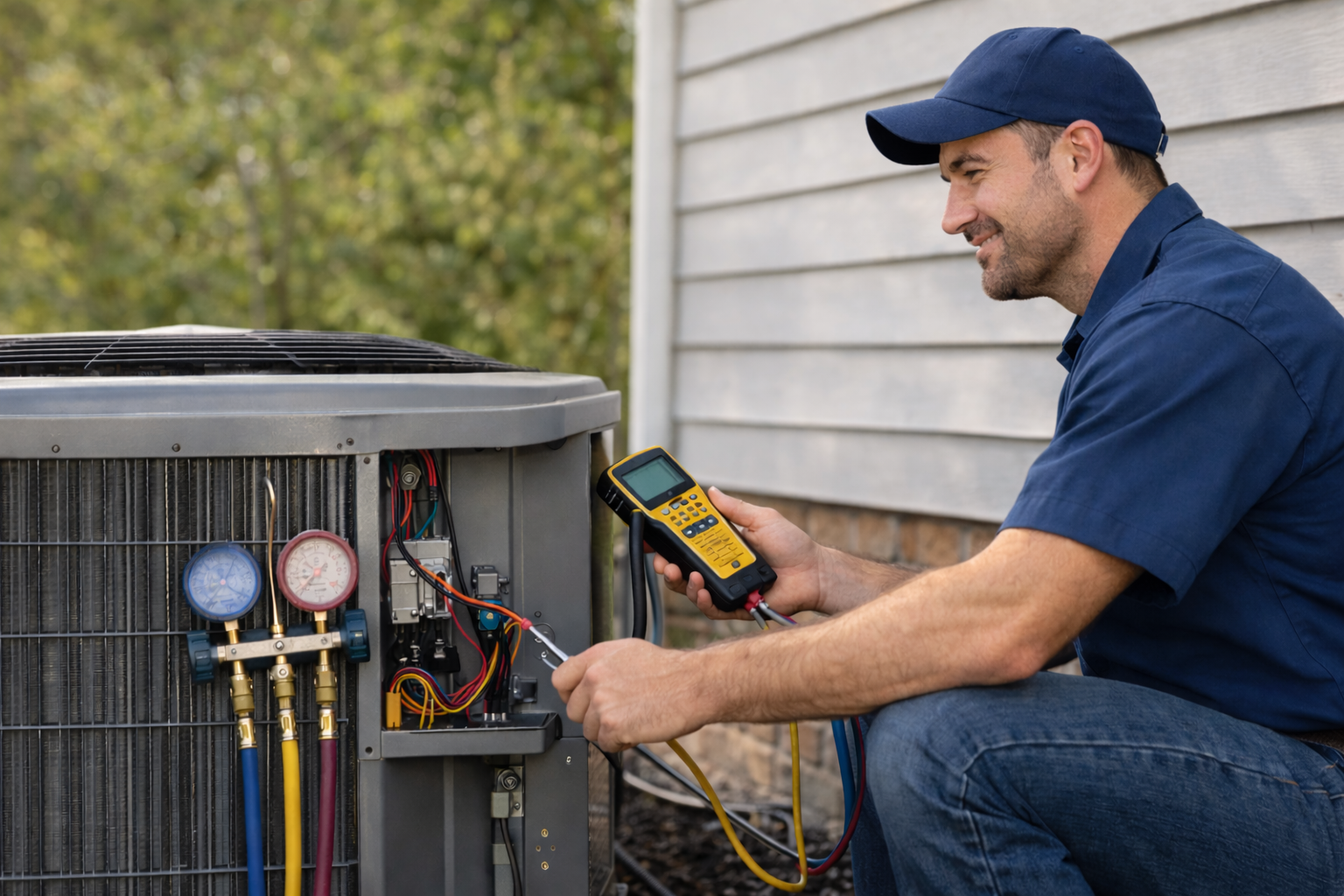
Why HVAC Maintenance Is Important For Georgia Homes
March 3, 2026
If you live in Georgia, your HVAC system works harder than most. Long, humid summers, heavy pollen seasons, and sudden temperature swings can push air conditioners and heat pumps to their limits. Regular HVAC maintenance isn’t just a “nice to have” — it’s one of the best ways to protect your comfort, lower operating costs, and reduce surprise repairs.
In this guide, we’ll break down why HVAC maintenance matters in Georgia, what a professional tune-up should include, and how a maintenance plan helps homeowners stay ahead of problems year-round.
Understanding Georgia’s Climate and Its Impact on HVAC Systems
Georgia weather can be demanding on heating and cooling equipment:
Hot, humid summers mean longer AC run times and more strain on compressors and motors.
Pollen and dust can clog filters and indoor coils faster than many homeowners realize.
Mild winters with cold snaps still require reliable heating performance — and heat pumps may run in defrost mode more often.
Temperature swings in spring and fall cause frequent cycling, which increases wear on electrical parts and controls.
A well-maintained HVAC system is better prepared to handle these conditions, stay efficient, and deliver consistent comfort.





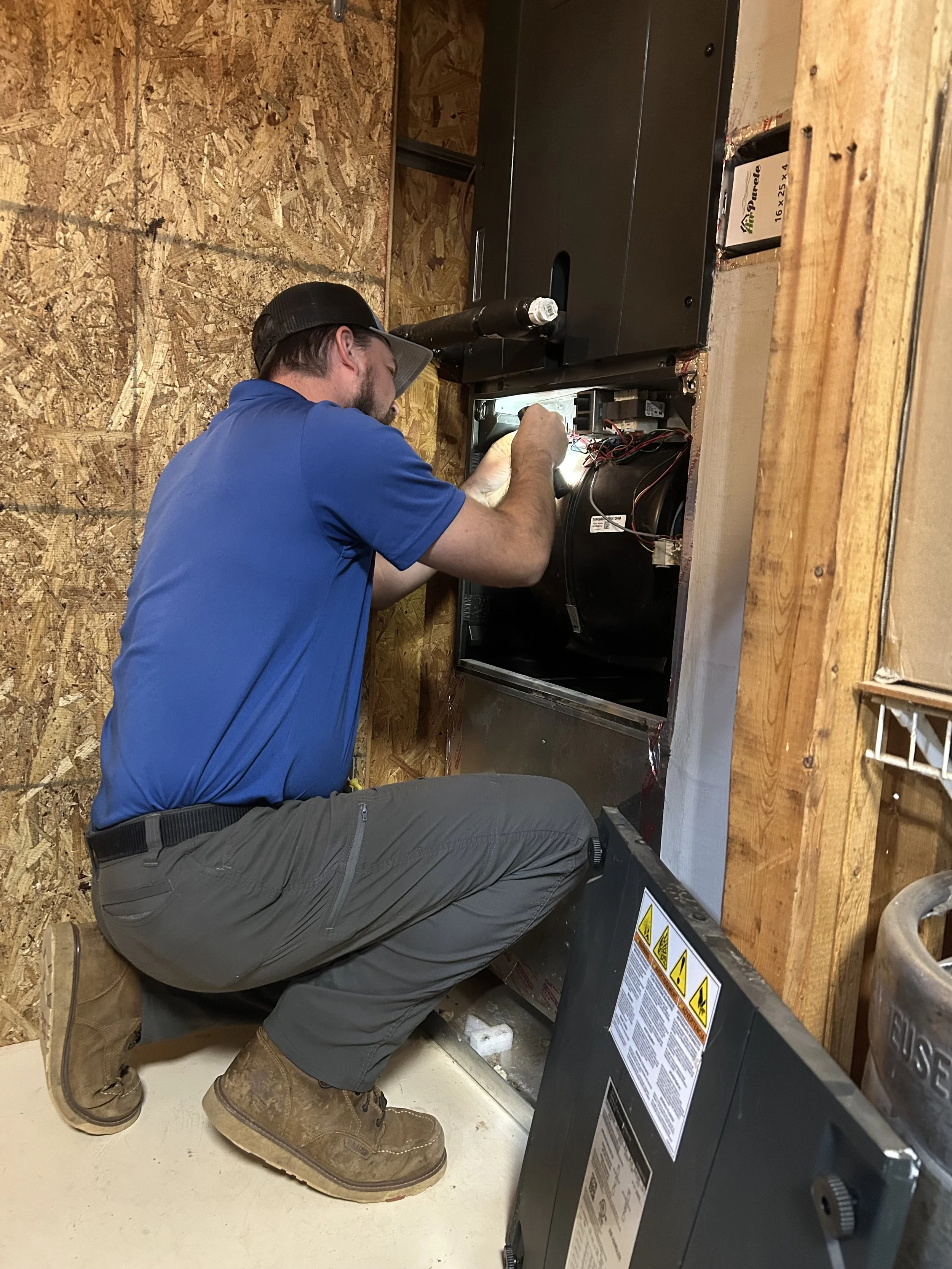
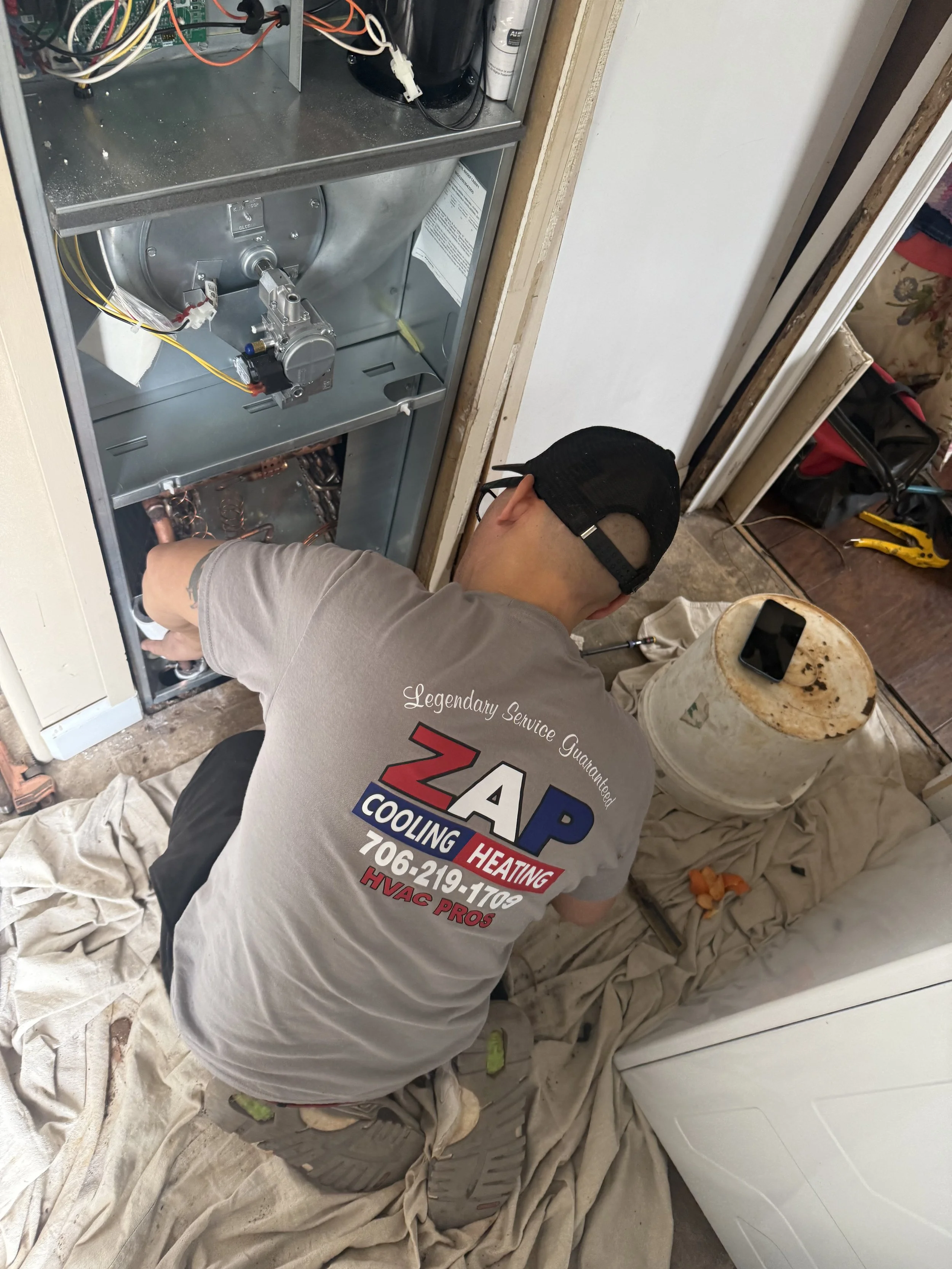
Licensed ZAP Technician Checking HVAC Unit
The Benefits of Regular HVAC Maintenance
1) Better energy efficiency and lower power bills
A system that’s clean, properly charged, and calibrated doesn’t have to work as hard to maintain temperature. Common maintenance items like replacing filters, cleaning coils, and verifying airflow can directly improve efficiency and help reduce energy use.
2) Fewer surprise service calls
Maintenance is designed to catch small issues early — loose wiring, weak capacitors, dirty drains, or worn contactors — before they create bigger problems during the hottest or coldest weeks of the year.
3) Longer equipment lifespan
HVAC systems are a major investment. Routine inspection and cleaning reduces wear and tear, improves operating conditions, and helps your system reach its full expected life.
4) Better indoor air quality
Clean filters, clean coils, and proper airflow can reduce dust and allergens circulating through your home — especially important during Georgia’s pollen-heavy months.
5) Safer system operation
Heating components and electrical systems should be inspected for safe operation. Maintenance helps identify concerns like damaged wiring, improper voltage, drain issues that could cause water damage, or unsafe heating performance.



Indoor Evaporator Coil Affected By Dust, Debris & Organic Growth Build-Up
Reducing Energy Bills Through Efficient HVAC Maintenance
If your system is running inefficiently, it will usually show up in your power bill before it shows up as a total failure. Maintenance helps ensure:
Clean filters and correct airflow
Coils are clean (indoor + outdoor)
Thermostat is accurate and properly set
Refrigerant levels are correct
Ductwork isn’t leaking or restricted
Even small improvements in airflow and cleanliness can make a noticeable difference in comfort and energy use — especially during long Georgia summers.
Improving Indoor Air Quality and Comfort
Indoor air comfort is more than temperature. HVAC maintenance also supports:
Humidity control (important for comfort and mold prevention)
Balanced airflow (reduces hot/cold rooms)
Cleaner air (less dust and allergen circulation)
If you’ve noticed more dust, uneven cooling, or a “musty” smell, maintenance is often the first step to diagnosing the root cause.
Extending the Lifespan of Your HVAC System
Systems last longer when they operate under normal conditions. Maintenance supports lifespan by:
Keeping motors and coils cleaner
Reducing strain caused by restricted airflow
Catching electrical wear before it becomes damage
Ensuring the system isn’t overworking due to incorrect charge or thermostat issues
The goal isn’t just to “keep it running.” It’s to keep it running correctly.
How Preventative HVAC Maintenance Helps Avoid Expensive Repairs
Most major repairs don’t happen randomly — they build over time.
For example:
A weak capacitor can cause hard starts that strain the compressor.
A dirty outdoor coil reduces heat transfer, raising pressures and temperatures.
A clogged condensate drain can trigger safety switches, overflow water, or cause shutdowns.
Loose electrical connections can lead to overheating and component failure.
Preventative maintenance is essentially risk management: you pay for a scheduled check-up to avoid paying more later under urgent conditions.
What’s Included in a Professional HVAC Tune-Up
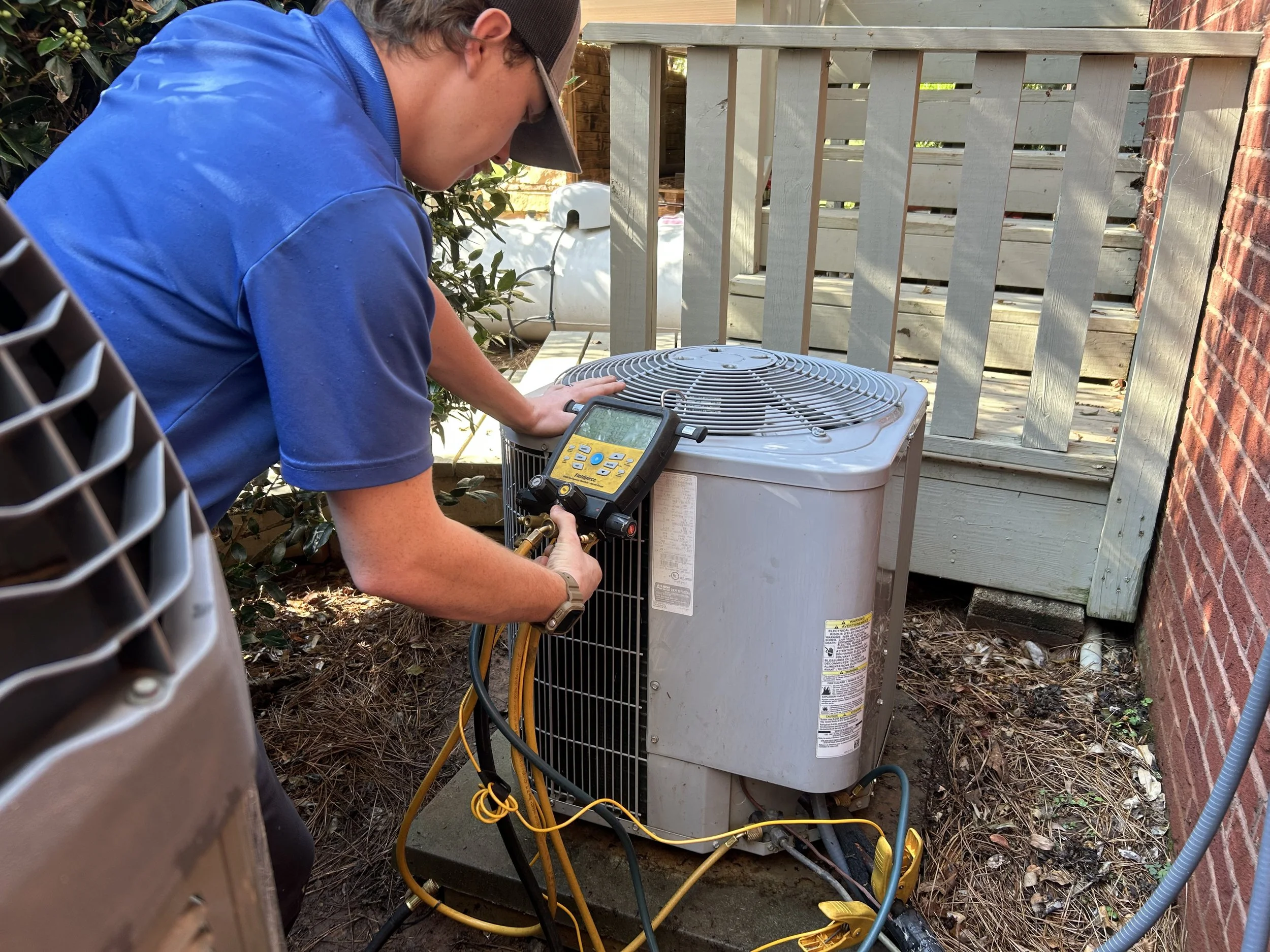
A professional tune-up should include real testing and inspection — not a quick look and a bill. While checklists vary by system type, a legitimate maintenance visit often includes:
Thermostat calibration and control checks
Electrical and safety testing (high and low voltage components)
Inspection of contactors and capacitors
Inspection of blower, condenser fan, and compressor operation
Temperature split testing (supply vs return)
Refrigerant performance evaluation
Condensate drain inspection/cleaning
Coil inspection and seasonal coil cleaning as needed
Airflow evaluation and filter condition check
Seasonal heating component checks (as applicable)
If you’re paying for maintenance, you should walk away with confidence that your system was evaluated thoroughly.
A maintenance plan makes consistency easy. Instead of remembering to schedule service every season, you have a built-in schedule and structure for keeping the system cared for.
Many plans include benefits like:
Two annual visits (cooling + heating season)
Reduced diagnostic fees
Discounts on repairs
For homeowners, the biggest advantage is predictability: fewer surprises, fewer emergency calls, and better long-term performance.
AC Maintenance Before Summer: Why Timing Matters
Waiting until the first heat wave is when most systems fail. Scheduling maintenance before summer helps ensure:
The system is operating efficiently before heavy run time begins
Any worn electrical parts are replaced before peak demand
Refrigerant performance issues are caught early
The outdoor coil is clean and able to reject heat properly
Spring maintenance is one of the best ways to reduce the odds of mid-summer comfort problems.
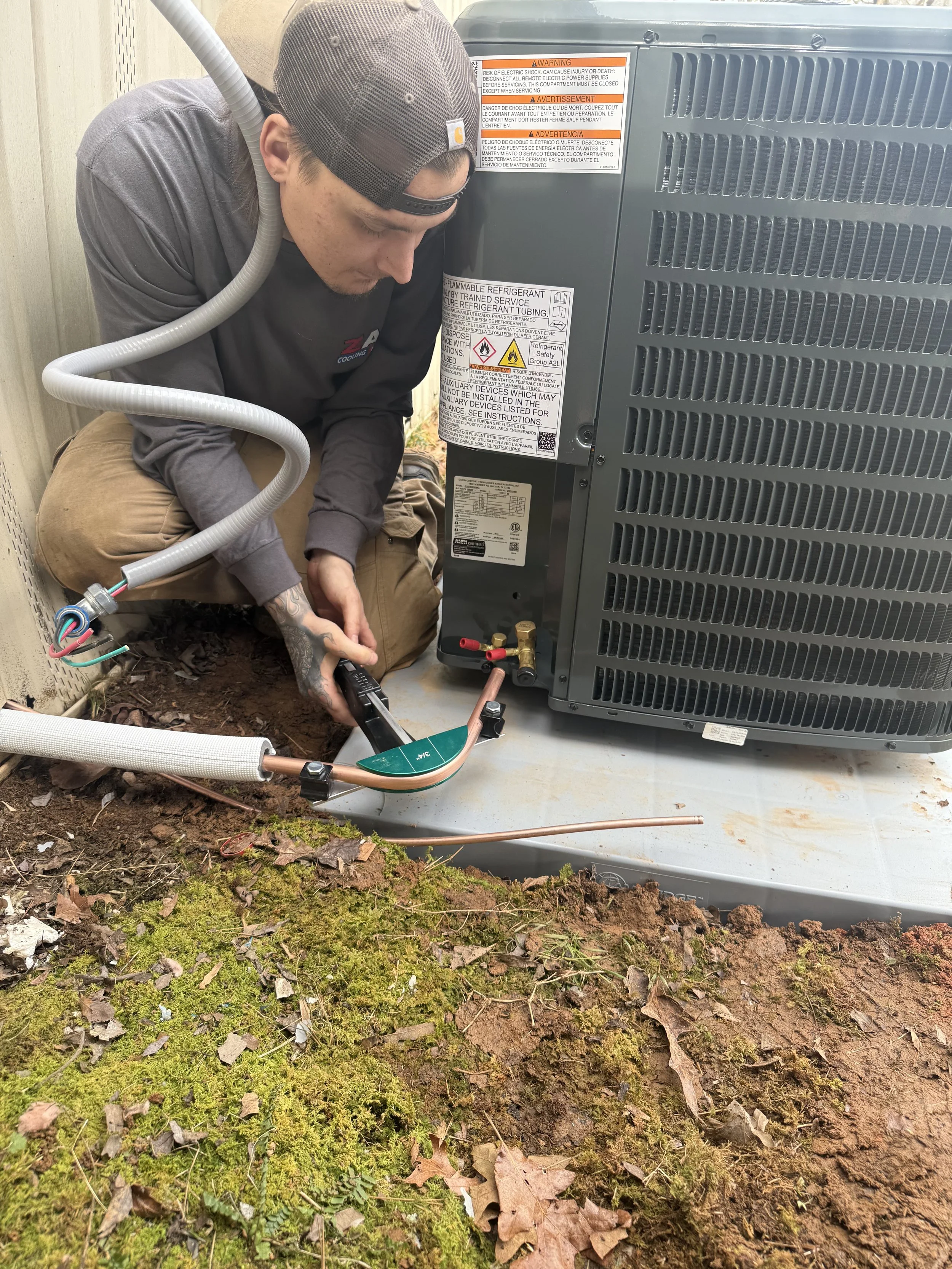
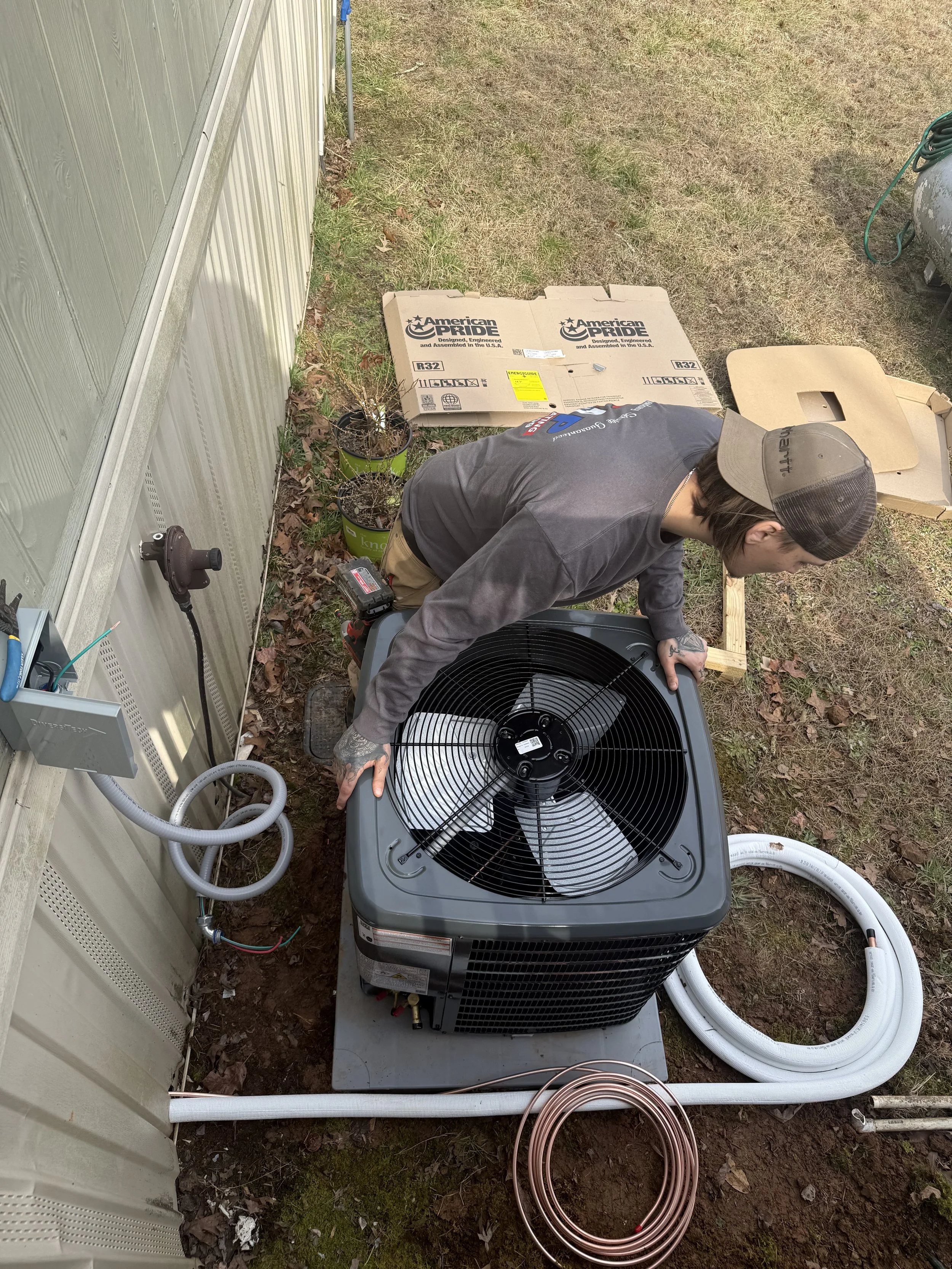
Professional ZAP Technician Installing A New HVAC System
Choosing the Right HVAC Maintenance Provider in Georgia
When choosing an HVAC provider, look for:
Proper licensing and insurance
Strong reviews and local reputation
Clear documentation of findings
Transparent recommendations (not pressure-driven)
A maintenance plan with real value (priority service, discounts, structured scheduling)
You want a team that treats maintenance as a professional evaluation — not a quick checklist.
Frequently Asked Questions About HVAC Maintenance
How often should HVAC be serviced in Georgia?
Most systems should be serviced twice per year — once before cooling season and once before heating season.
Does HVAC maintenance lower energy bills?
Yes. Cleaning coils, confirming airflow, and correcting small issues can improve efficiency and reduce energy use, especially during heavy summer run times.
Can skipping maintenance void my manufacturer warranty?
In many cases, manufacturers require routine maintenance records to keep warranties valid. Maintenance helps protect that coverage.
Is an HVAC maintenance plan worth it?
For most homeowners, yes — because it encourages consistent upkeep, reduces emergency service needs, and often includes priority scheduling and repair discounts.
What are signs my HVAC system needs maintenance?
Higher power bills, weak airflow, uneven temperatures, unusual noises, musty odors, or longer run times can all indicate it’s time for a professional inspection.
Conclusion: Make HVAC Maintenance a Priority in Your Georgia Home
In Georgia, HVAC maintenance isn’t optional — it’s one of the smartest ways to protect your comfort system from seasonal strain. Regular tune-ups can improve efficiency, help maintain indoor air quality, reduce unexpected repairs, and extend system life.
If you want help staying on schedule, consider a maintenance plan that includes seasonal service and ongoing system evaluation — so your home stays comfortable no matter what Georgia weather brings.
DIY vs. Professional HVAC Maintenance: What Homeowners Should Know
There are helpful DIY steps homeowners can do:
Replace air filters on schedule
Keep supply vents unobstructed
Keep the outdoor unit clear of debris
Watch for unusual sounds, smells, or inconsistent temperatures
But professional service matters because technicians can:
Test electrical components safely
Evaluate refrigerant performance
Inspect motors, controls, and safety devices
Identify developing issues that aren’t visible from the outside
DIY is great for upkeep — professional maintenance is for diagnostics and protection.
