North Georgia Winter HVAC Tips: Stay Comfortable & Save on Bills
Winter in North Georgia can be unpredictable, with temperatures dipping unexpectedly. Ensuring your home stays warm and cozy is crucial.
Your HVAC system plays a vital role in maintaining comfort during these chilly months. Proper preparation can prevent unexpected breakdowns and costly repairs. A well-maintained HVAC system operates more efficiently, saving you money on energy bills. Simple maintenance tasks can make a significant difference in performance.
Understanding the specific needs of your HVAC system is essential. Each component requires attention to function optimally throughout winter. Regular maintenance not only enhances efficiency but also extends the lifespan of your system. This proactive approach can lead to long-term savings.
Homeowners often feel overwhelmed by the technical aspects of HVAC care. However, with the right guidance, it becomes manageable. This guide will provide you with practical tips to prepare your HVAC system for winter. You'll learn how to keep your home warm and your energy bills low.
Let’s explore the essential steps to ensure your HVAC system is winter-ready.
December 1, 2025




Section A: Home Prep & Efficiency Boosters (Tips 1-4)
Replace Air Filters Regularly to Boost Efficiency
Air filter maintenance is one of the simplest yet most impactful tasks you can perform for your HVAC system. Clean filters enhance airflow, improve efficiency, and prevent strain on your system. Neglecting them can result in poor indoor air quality and increased energy costs.
Check and replace air filters monthly during winter. Dirty filters force your system to use more power and run longer.
Air filter care checklist:
Check filters monthly and replace as needed
Consider high-efficiency filters
Keep spare filters on hand
Regular filter care supports performance, comfort, and lower heating bills.
2. Inspect & Maintain Ductwork and Vents
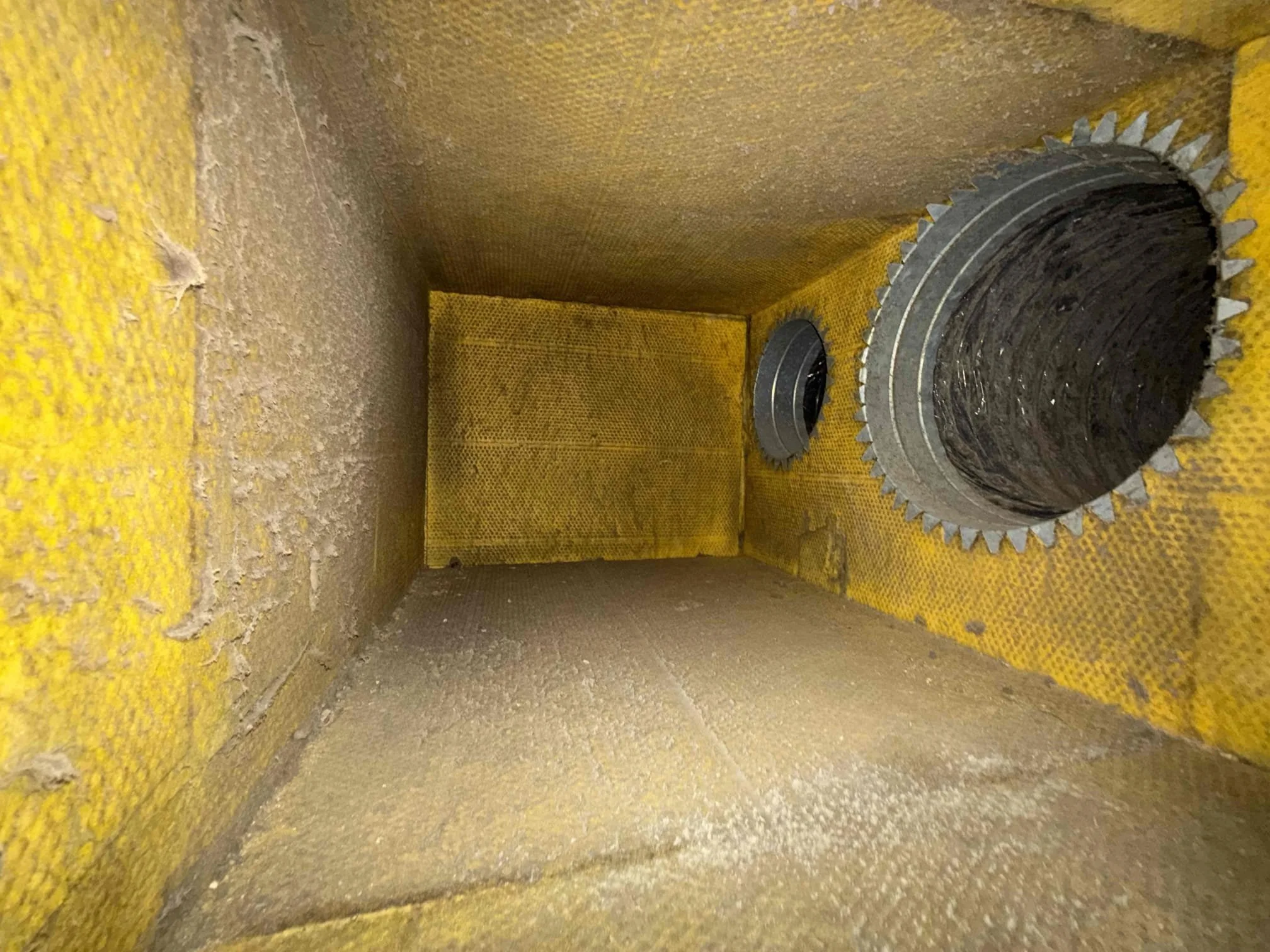
Your ductwork and vents are essential for distributing warm air evenly throughout your home. Leaks, blockages, or dirty vents can cause heat loss, cold spots, and higher utility bills.
Start by inspecting ductwork for gaps or leaks and sealing them with mastic sealant or metal tape. Then ensure all vents are clean and unobstructed.
Ductwork & vent maintenance checklist:
Inspect ductwork for leaks and seal them
Vacuum vents and registers
Ensure furniture or curtains aren’t blocking vents
Proper duct and vent maintenance keeps your home warmer and more efficient.
3. Improve Insulation & Seal Drafts
Insulating your home plays a major role in HVAC efficiency. Proper insulation helps retain warm air, reduces the workload on your system, and lowers utility bills.
Seal gaps and leaks around windows and doors using weatherstripping or caulk. Small improvements can dramatically reduce heat loss.
Recommended upgrades include:
Adding weatherstripping or caulking
Installing energy-efficient windows and doors
Increasing attic insulation or sealing attic access
Insulating crawlspaces or basement rim joists
Better insulation means your system runs less and your home stays warmer.

4. Use Smart Thermostats & Heating Schedules
Smart thermostats are powerful tools for reducing winter heating costs. By setting temperature schedules—lower while you're away or asleep—you can significantly cut energy use.
Choose smart thermostats with remote control options and adaptive learning features.
Benefits of smart thermostat use:
Reduced energy consumption
Remote access & automation
Customized heating schedules
A smarter thermostat means smarter energy savings all winter.

Section B: System Care, Safety & Professional Support (Tips 5–9)
These tips focus on equipment health, performance, and when to call a pro.
5. Schedule a Professional HVAC Tune-Up Before Winter
A winter HVAC tune-up is one of the most important steps you can take. Professional inspections ensure that your heating system is performing efficiently and safely.
A full tune-up includes checking mechanical components, cleaning the blower and coils, tightening electrical connections, and confirming thermostat accuracy.
Key tune-up tasks include:
Inspect and clean blower components
Check and replace air filters
Test safety controls
Verify thermostat operation
Inspect heat exchanger for cracks
6. Prepare Your Heat Pump for Cold Weather
Heat pumps are common in North Georgia, and they need special care during colder months.
Start by clearing debris—leaves, snow, or dirt—from around the outdoor unit. Trim vegetation at least 2–3 feet away to maintain airflow.
A professional tune-up ensures proper refrigerant levels, belt condition, and electrical connections.
Heat pump winter prep:
Clear debris around the outdoor unit
Trim nearby vegetation
Schedule a professional tune-up
Do not cover your heat pump, this will trap moisture, restrict the airflow, and may cause permanent damage to the unit.
These steps help your heat pump run smoothly even in low temperatures.
7. Know What You Can DIY vs. When to Call a Pro
Some tasks are perfect for homeowners; others should always be handled by trained technicians.
Homeowner-friendly tasks:
Replace air filters
Adjust thermostat settings
Clean vents & registers
Tasks requiring a professional:
Full system tune-ups
Electrical or gas-related inspections
Internal mechanical repairs
Knowing the difference keeps your home safe and prevents costly mistakes.
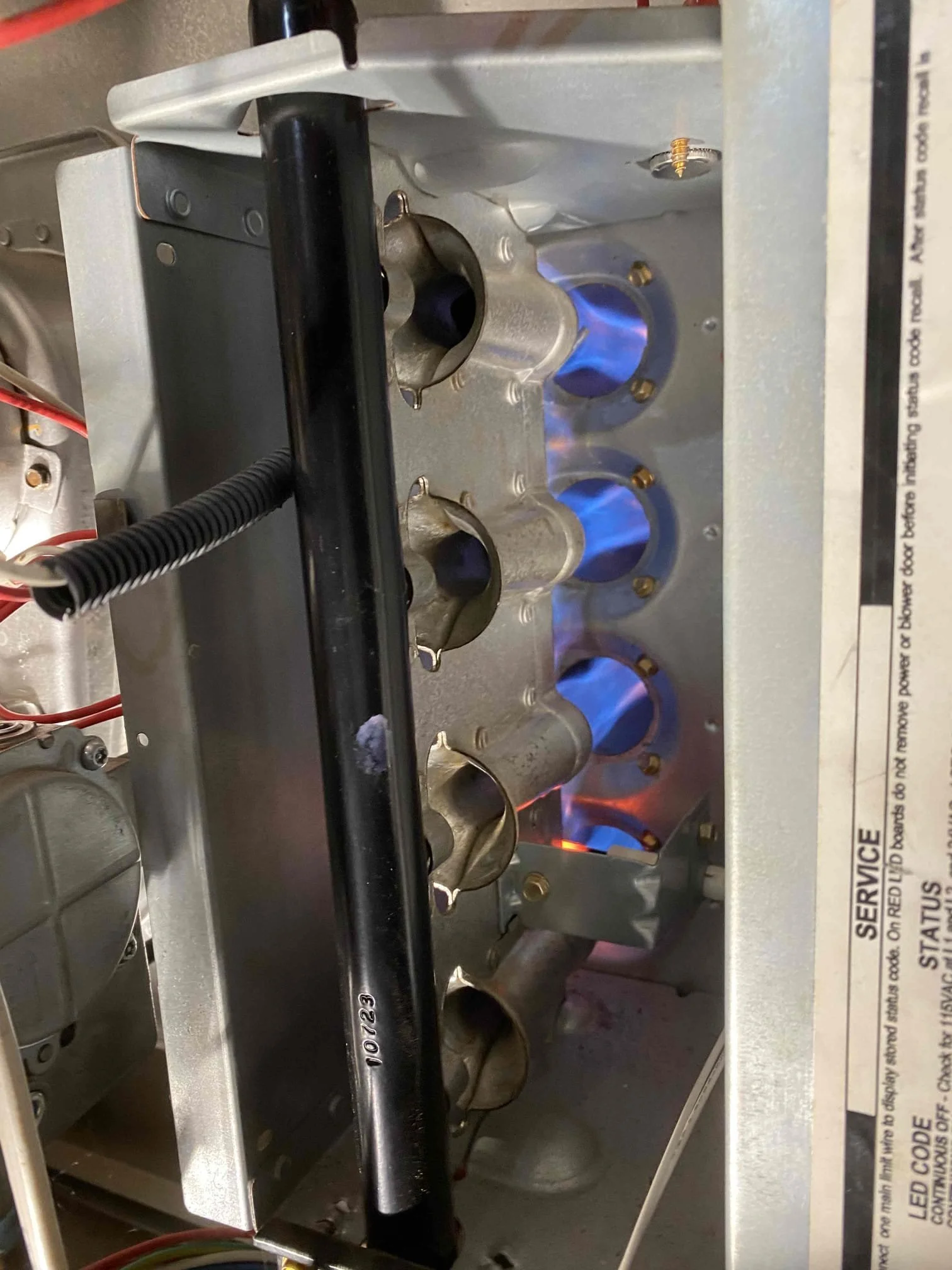
8. Perform Key Furnace Safety & Performance Checks
Your furnace must operate safely and efficiently during winter. Regular checks help prevent carbon monoxide risks and mechanical failures.
Inspect the burners, heat exchanger, and ignition system. Make sure your thermostat accurately reads indoor temperatures. These components work together to keep your furnace running smoothly, but if you're not sure what you're looking at or something doesn’t seem right, always call a professional for a full furnace tune-up. Safety should never be compromised when dealing with gas or electrical systems.
Furnace maintenance checklist:
Clean burners
Inspect heat exchanger
Test thermostat accuracy
Check the pilot light or ignition
Keeping your furnace in top condition improves safety, comfort, and performance — and relying on a trained technician when needed ensures everything operates as it should.
9. Follow a Winter HVAC Checklist for Stress-Free Maintenance
A winter HVAC checklist keeps your prep organized and helps you avoid missing important steps.
Start with a tune-up, check air filters, inspect ductwork, and ensure vents are clear. Proactive attention reduces the risk of breakdowns.
Your winter checklist:
Replace air filters
Check and seal ductwork
Clear debris from outdoor units
Clean vents and registers
Following a checklist gives you confidence and helps ensure a worry-free winter.
Preparing your HVAC system for winter ensures comfort, efficiency, and lower energy bills. By following these tips and maintaining your system proactively, you’ll enjoy a warm and reliable home all season long.
For more questions and concerns visit our ZAP Knowledge Center providing the most common HVAC questions homeowners have.